02 October 2026
Peptide Pureness Resolution Innovative Peptides-peptide Drug Discovery
Presented by @rylanwaen255
Peptide Quality Control & Purity Testing Boc Sciences
Explore our catalog to check out confirmed research study compounds and learn more regarding our screening and quality assurance procedure. Also small pollutants can alter outcomes, lower reproducibility, or present undesirable variables into a research study. Researchers depend upon exact, confirmed substances to ensure their searchings for are both legitimate and consistent.
Understanding Peptide Pureness Testing
- The most strict quality, entailing cautious HPLC purification-- in some cases multiple rounds-- and rigorous QC.
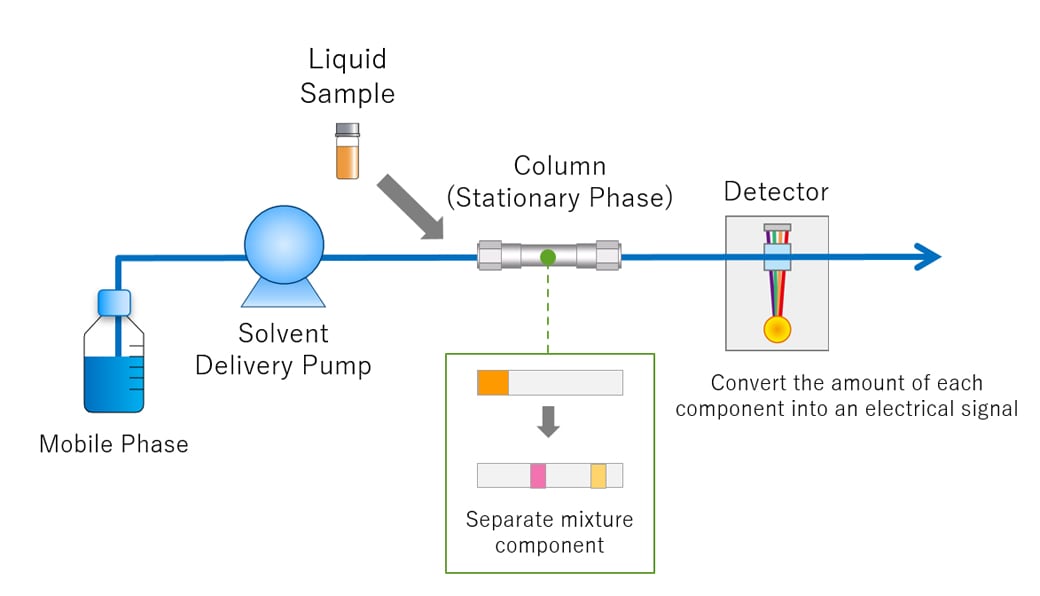
- Measuring peptide pureness is usually performed with analytical high-performance fluid chromatography (HPLC), usually combined with mass spectrometry (MS) for identity verification.
- HPLC procedures chromatographic pureness by dividing the target peptide from related pollutants and determining main-peak location percent.
- This method separates peptides from pollutants and quantifies both target peptides and pollutants, ensuring high-grade samples for research study.
- It's feasible to have a peptide that is, state, 95% pure by HPLC and yet the internet peptide material is something like 70% of the powder's weight (the remainder being water and salts).
In theory, peptide purity is measured by the chromatogram produced by reversed stage HPLC, and on top of that, we can obtain the number and loved one amount of feasible by-products by computing the peak area. A premium chromatogram has a single, in proportion major optimal with a level baseline on either side. " Tailing"-- where the optimal trails off slowly on one side-- can indicate column issues, sample overloading, or secondary interactions in between the peptide and the fixed stage. In this setup, the fixed stage is hydrophobic (water-repelling), normally C18-bonded silica. The mobile phase is a gradient of water and an organic solvent like acetonitrile, frequently with a percentage of trifluoroacetic acid (TFA) to sharpen the heights.

Residuals Testing
Maintaining a high degree of pureness is essential since pollutants can influence bioassays or reactions. As an example, truncated peptides or chemically changed side-products could bind to targets or create negative effects that amaze your outcomes. Specifically changed peptides or cyclic peptide series are tough to verify, which influences quality assurance. We combine LC-MS/MS and chemical digestion evaluation to specifically confirm the series and alteration sites of non-natural customized peptides. Recurring organic solvents, metal ions, or spin-offs from synthesis may Cold Storage trigger toxic read more adverse effects.BOC Sciences supplies multi-batch comparison analysis to help customers establish raw material high quality requirements and guarantee uniformity. Recurring non-peptide parts can transform assay analysis, distort peptide material estimations, and make complex whole lot certification. We support targeted analysis of appropriate residuals based upon the task and example background.